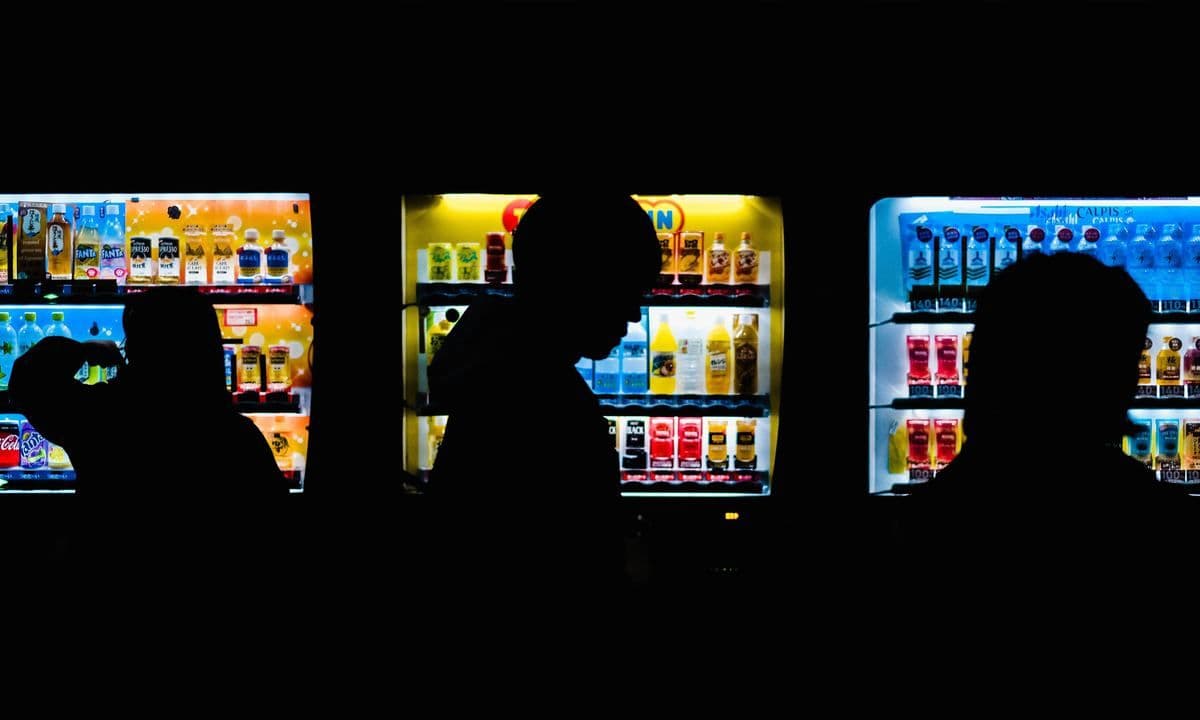

Japan is a beautiful country with a rich history and culture and great technological advancement, making it one of the most popular tourist destinations in the world. One thing that almost every tourist in Japan immediately notices is the abundance of vending machines.

Photo by Steven Su on Unsplash
They’re at every station and every building—you’ll practically stumble upon a vending machine no matter where you’re going, even in the countryside. The significant number of vending machines in Japan compared to other countries is related to several factors: their safety, their convenience, and Japan’s dense population. Historically, vending machines started being used in the 1960s and are thought to have become successful due to Japan’s unique culture.
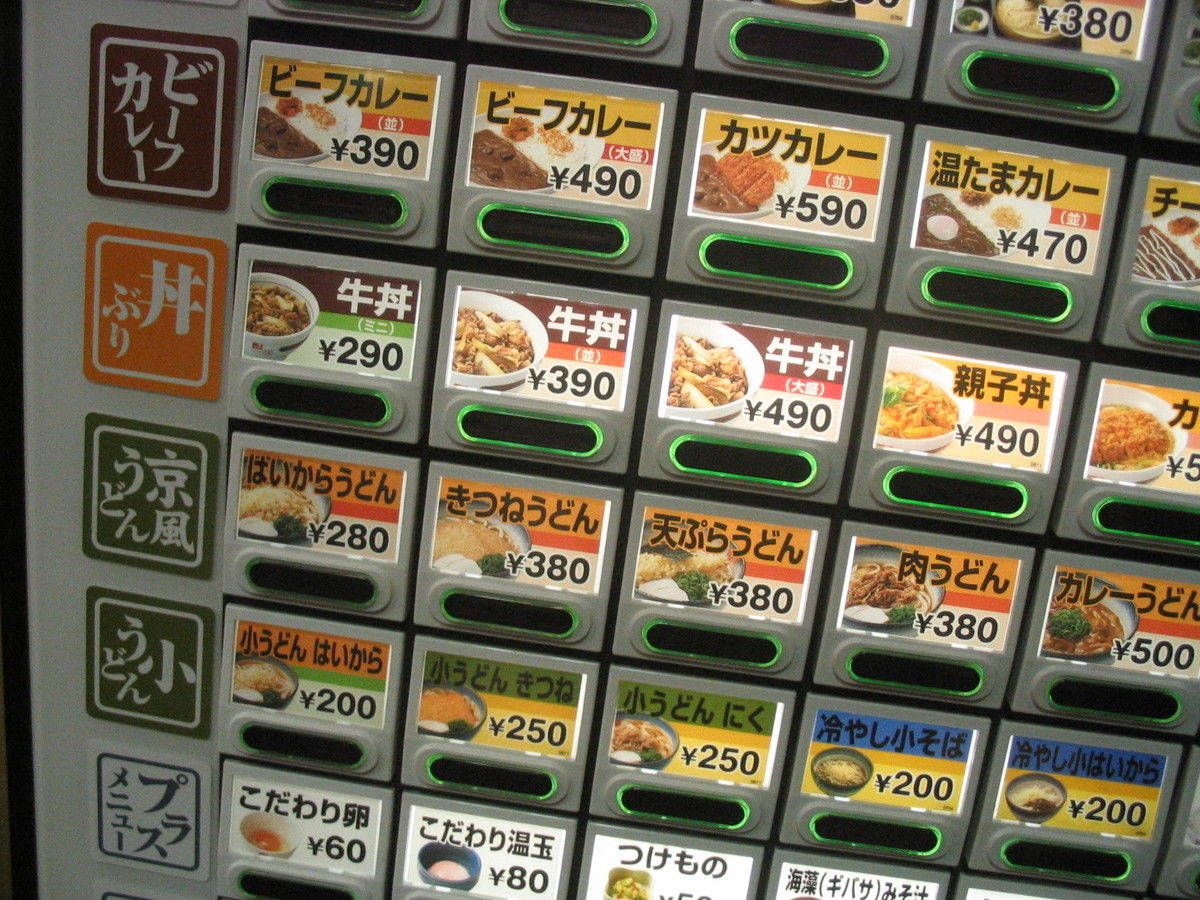
"Late night Japan: Restaurant menu vending machine" by Jeremy Monin is licensed under CC 2.0
There are over 5 million vending machines placed throughout Japan with a wide variety of products, ranging from food, beverages, eggs, and even underwear.
Continuing to operate at all hours, vending machines are a simple and convenient way to quench thirst and hunger when no stores are open. Vending machines can be operated at a low cost, requiring no employees to sell products, as opposed to convenience stores.
Tokyoites’ Need for Convenience to Cope with the Workload
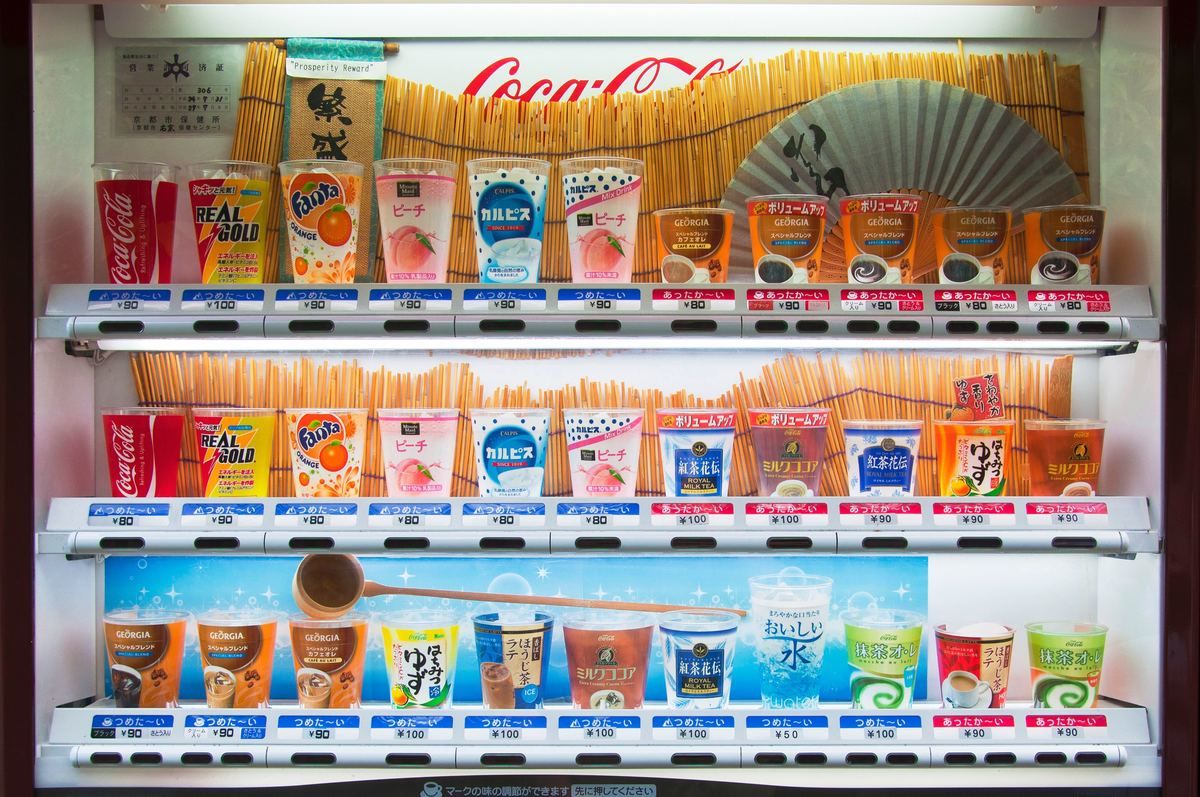
Photo by Fabrizio Chiagano on Unsplash
Vending machines in Japan not only sell beverages and cigarettes but also a wide variety of everyday products.
Japan is infamous for its intense working hours. Japanese people, and Tokyoites, in particular, do a great deal of work, and thus value convenience—but so do New Yorkers or workers in any other major city.
This raises the following question: why is it that other countries around the world with similar workstyles and population densities don’t have nearly as many vending machines as Japan?
Low Crime Rate

Friendly traffic warden on duty. stock photo
The Japan National Tourism Organization says that the country’s low crime rate is why there are so many vending machines in Japan, because the machines can be left outside and are rarely vandalized.
Cases of vandalism do happen, but it’s very uncommon. Built-in cameras can be found in most vending machines and have direct contact with various police stations. Vending machines are further helped by the fact that in Japan, protests and demonstrations rarely turn violent or result in theft. This helps to keep faith in the vending machine business, knowing the property is rarely damaged or vandalized. Therefore even if a vending machine is installed in a public space such as a park or on the sidewalk, it’s safe.
Other major factors that have helped vending machines maintain their presence are high population density and demand for convenience from the employed population. Of course, vending machines in Japan still have their problems. The sheer number of machines presents its own unique set of challenges—you can always have too much of a good thing.
Maintenance

Japanese man engineer on duty. stock photo
One of the biggest issues Japan faces in regards to vending machines is that the more vending machines there are, the more waste bins need to be emptied. Specialized maintenance companies are needed to make sure that there’s no litter, restock the machines regularly, and perform other maintenance-related tasks.
Japan’s innovative vending machine “Acure”

Latest model of Vending Machine taken in Ueno Station (Acure) stock photo
The abundant numbers are not the only impressive thing about Japanese vending machines—their unique functions and rapid technological advancement are also mesmerizing! The newest high-tech vending machine is called “Innovation” from the Acure brand. They have been installed in around 20 locations, most of which are in Tokyo.
The machine has a sleek black design and a color touchscreen, like a giant tablet computer. It even displays the time and weather. This innovative machine allows customers to pay by downloading the Acure Pass app (available on Google Play and the iTunes store) or by using a Suica or Pasmo IC card. You can even set up your preferred payment method in the app’s settings.
The machine itself is easy to use. Just open the app and select the drink that you want to buy. Then, open the QR code for that drink and scan it with the machine’s built-in blue scanner. The selected drink will be highlighted on the screen. Click on your item and it will pop out of the dispenser at the bottom. With the new Acure Pass app, you can purchase drinks in advance and even gift a drink to your friend via LINE, Facebook, or Twitter. Also, customers can receive special promotions and offers when they use the app, which can be exchanged for free drinks.
Since the establishment of Acure in August 2006, the company’s mission has been to provide the highest quality beverage products to customers by using the newest consumer methods. Below are some examples of some of the styles of Acure vending machines located in all major train stations in Tokyo and throughout the rest of the country.
1. The Naturacure vending machine sells drinks targeted to women, with healthier selections and smaller bottles designed to fit into purses.

The Naturacure vending machine - Live Japan
2. The Art Museum Acure machines showcase traditional Japanese artwork and culture that include kabuki, Japanese dance, and sumo paintings. Each machine holds a selection of local and international favorites, including green tea, Aomori Apple Juice, Aqua Water, and many rare beverages.

A vending machine that tastes Japan “Art Museum Acure” - Acure-fun
3. The Next Generation vending machines, another of Acure’s high-tech successes, use a camera and facial recognition software to match customers with the best product. Depending on the customer’s demographics, Next Generation machines can recommend drinks that would best suit customers.
Japan has a strong affinity for automation and robots, journalist Tsutomu Washizu explained to The Japan Times in 2007. Washizu, who wrote a book on the history of vending machines in Japan, credits this fascination as the main reason why the machines are so popular:
“There is no other country that has so much automation. The Japanese people have a high regard for, and trust in, automated systems,”
Vending machines are a basic but vital invention for everyday life in Japan. Available 24 hours a day, the convenience and reliability of these machines perhaps reflect many aspects of Japanese culture and society, too.
About the author:
 My name is Mohammad (Moe for short) Alminawi I’m Egyptian. I like writing about Lifestyle Self-development, and psychology. I appreciate Philosophy as it gives me a different perspective on life.
I publish my papers on Medium