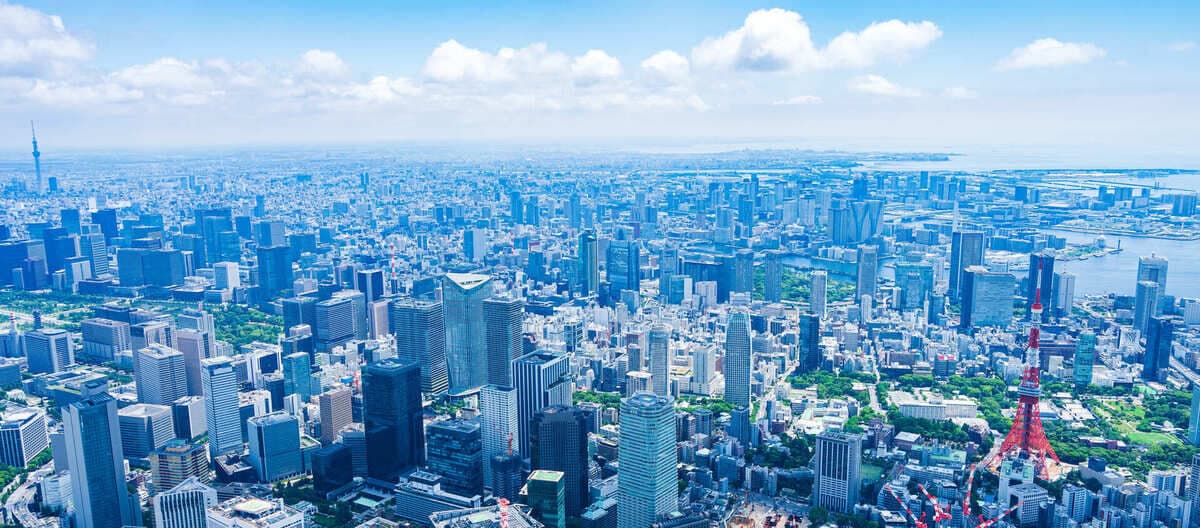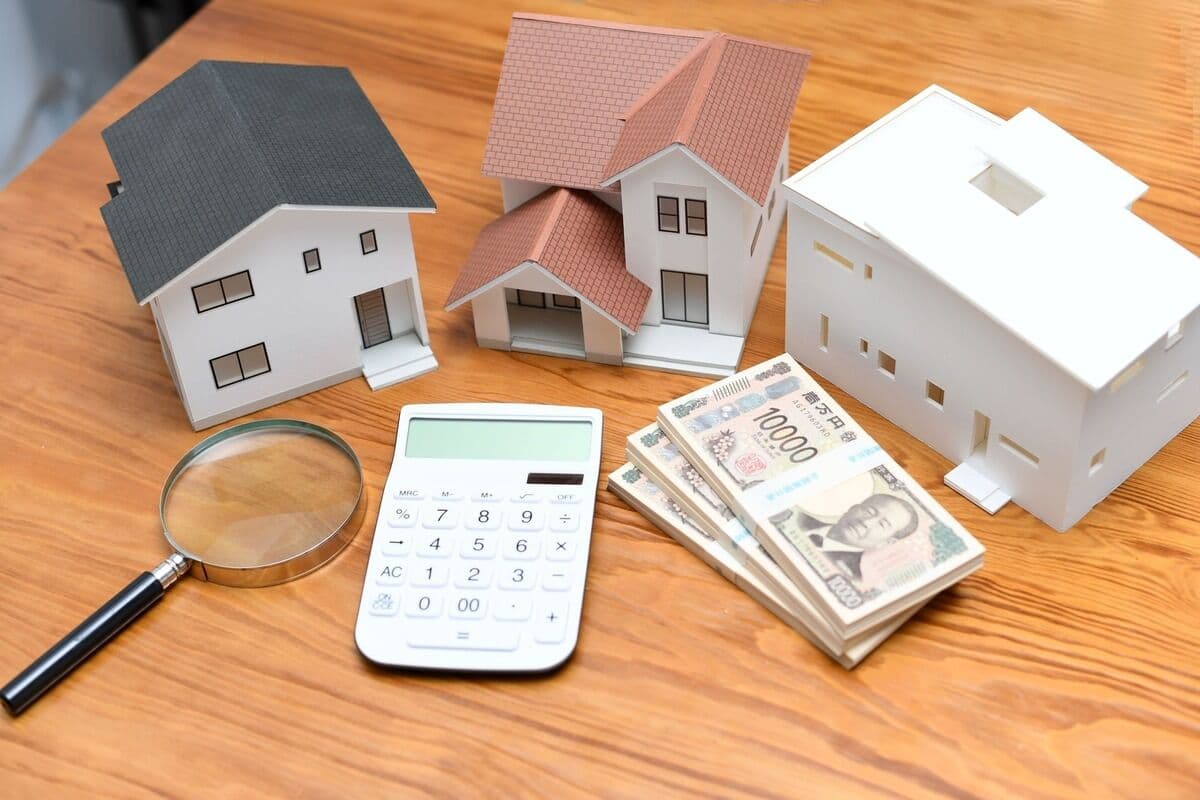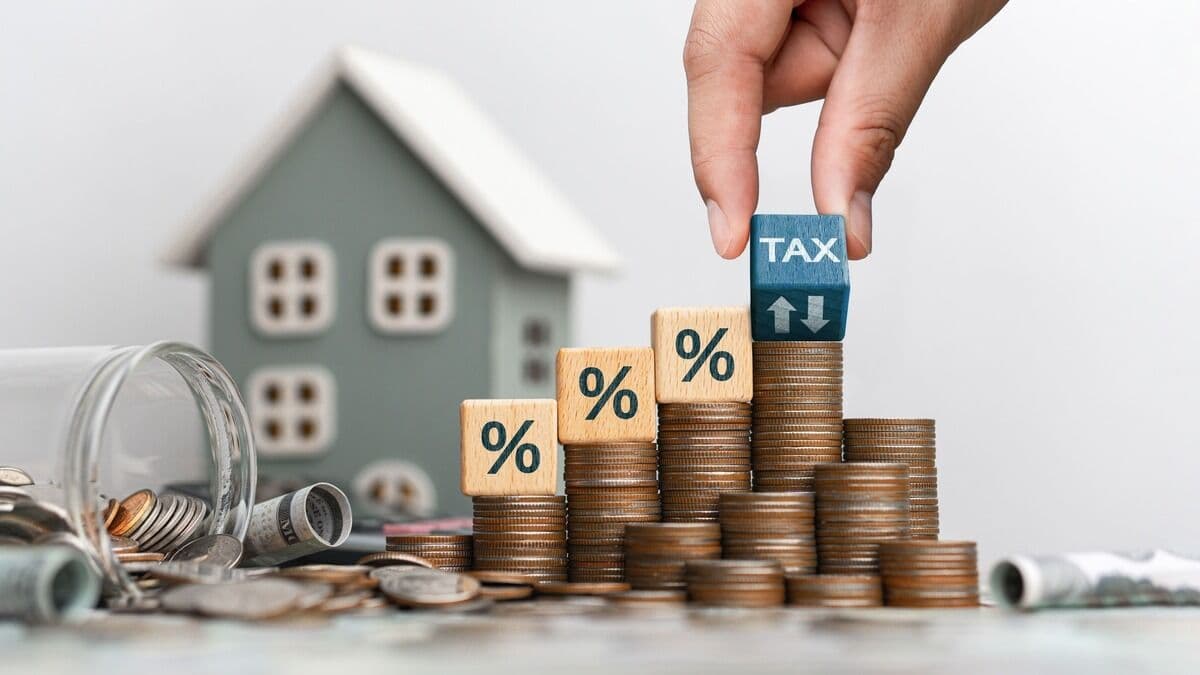

Foreigners can purchase property in Japan.
Foreigners can generally buy property in Japan without any restrictions on nationality, residency, or visa. You can own both land and buildings with full ownership rights, just like Japanese buyers.
Do You Need a Visa or Residency?
No, you do not need a visa or residency to purchase property. Japan has no legal restrictions on foreign ownership; even non-residents living abroad can legally own land and buildings in Japan.
However, there are two critical points to keep in mind before you start your search:
-
Financing Challenges: Obtaining a mortgage from a Japanese bank as a non-resident is notoriously difficult. Most domestic lenders require "Permanent Residency" (PR) status or, at the very least, a long-term work visa with a stable Japanese income. If you are buying from abroad, you should generally be prepared to make an all-cash purchase.
-
No Residency Benefits: It is a common misconception that buying property grants you a "Real Estate Visa." In Japan, property ownership does not grant residency or any special visa status. To live in your property long-term, you must still qualify for a standard visa (such as a Work, Business Manager, or Spouse visa) through the Ministry of Justice.
Why Japan Is Foreign Buyer-Friendly
Japan is considered one of the most foreign buyer-friendly real estate markets in the world. Compared to many other countries, Japan offers a simple and transparent system with very few restrictions:
-
Full ownership rights (including land)
Foreigners can own both land and buildings as freehold property.
In contrast, countries like Thailand generally restrict foreigners from owning land directly. -
No nationality-based taxes or additional fees
Japan does not impose extra taxes on foreign buyers.
This is different from places like Singapore or Canada, where foreign buyers may face significant additional taxes. -
No government approval or quota system
Foreign buyers do not need special permission to purchase property.
In countries such as Australia, foreign purchases often require approval from government authorities. -
No residency requirement
You can buy property in Japan without living in the country.
Some countries limit property ownership to residents or impose stricter conditions on non-residents.
These factors make Japan a highly accessible real estate market for foreign buyers compared to many other countries in Asia.
How to Buy a House in Japan as a Foreigner?

Step 1: Property Search
Begin by exploring properties through real estate platforms or by working with an agent experienced in assisting foreign buyers. Professional guidance can help narrow down suitable options based on your budget, location, and investment goals.
Pro Tip:
In Japan, many listings are not fully centralized, and some properties are only accessible through specific agencies. Working with a well-connected agent can significantly expand your available options, including off-market listings.
Step 2: Private Property Viewing
Once you’ve shortlisted properties, arrange viewings to evaluate them in person. Many buyers choose to view properties with an agent who can provide local insights, explain key details, and highlight factors that may not be immediately visible.
Pro Tip:
Pay close attention to the building age and earthquake resistance standards (especially post-1981 “new seismic code”), as these can impact both safety and long-term resale value.
Step 3: Making an Offer
After selecting a property, you submit a purchase application outlining your proposed price and terms. Negotiations are typically handled through an agent, who communicates with the seller to reach mutually agreeable conditions.
Step 4: Signing the Contract
If your offer is accepted, the next step is signing the sales contract. At this stage, a deposit, usually around 5–10% of the purchase price is required to secure the property.
Pro Tip:
Before signing, you will receive a detailed explanation of important matters (“Explanation of Important Matters” / 重要事項説明). This is a legally required step in Japan and should be carefully reviewed, ideally with translation support if needed.
Step 5: Settlement and Key Handover
In the final stage, you will pay the remaining balance along with associated costs. Once the transaction is completed and ownership is officially transferred, the keys are handed over and the property becomes yours.
- Access curated off-market properties in Tokyo and prime resort areas
- Receive exclusive investment insights and market updates
- Connect with experienced cross-border real estate advisors
Costs and Taxes When Buying Property in Japan
Buying property in Japan involves several costs beyond the listing price. As a general rule of thumb, buyers should budget between 5% and 10% of the property price for miscellaneous expenses and taxes.
However, the exact amount depends heavily on the type of property you are purchasing:
|
Property Type |
Estimated Extra Costs |
Why the difference? |
|
New Condominiums |
3% – 6% |
Often sold directly by developers, meaning no brokerage fees. |
|
Pre-owned / Spec Homes |
6% – 10% |
Includes a 3% + ¥60,000 brokerage fee (plus tax) to the real estate agent. |
Costs at Each Stage of the Purchase
1. When Signing the Contract
At the contract stage, you will typically pay:
-
Deposit / Earnest Money: Typically around 5–10% of the property price, although the amount may vary depending on the transaction.
-
Stamp Duty: A small tax applied to the sales contract
2. When Applying for a Mortgage (if applicable)
If you are using a loan:
-
Stamp Duty (Loan Contract)
-
Bank Fees: Includes bank commission and guarantee fees
-
Fire Insurance: Required by most lenders
3. At Final Settlement
This is the largest payment stage. You will pay:
-
Remaining balance of the property price
-
Agent Commission: Typically 3% + ¥60,000 + tax
-
Registration Costs: For transferring ownership
-
Judicial Scrivener Fee: Legal specialist handling registration
-
Prorated Costs, such as:
-
Fixed Asset Tax
-
City Planning Tax
-
Maintenance fees (for apartments)
4. Taxes After Buying Property: Real Estate Acquisition Tax
This is a one-time tax paid after purchasing property in Japan.
-
Timing: Usually paid 3–6 months after purchase (when you receive a tax notice)
-
Tax Base: Based on the government-assessed value, not the purchase price
-
Tax Rate:
-
Around 3% for residential properties (until March 31, 2027)
-
Around 4% for non-residential properties
-
Payment Method: Paid at a bank or designated financial institution after receiving notice
This tax applies to property acquisitions such as purchase, new construction, renovation, gift, or exchange.
Can Foreigners Get a Mortgage in Japan?
While foreigners can legally purchase property in Japan, accessing mortgage financing is often one of the biggest challenges—particularly for non-residents.
In practice, most Japanese banks limit lending to applicants who reside in Japan, earn income locally, and have long-term visa status or permanent residency. This means many foreign buyers must rely on cash purchases or overseas financing.
Who Can Easily Get Approved?
Foreigners are more likely to be approved if they have:
-
Permanent residency (PR)
-
A long-term visa (e.g., work visa)
-
Stable income in Japan (typically with a Japanese employer)
-
A Japanese bank account and credit history
Many Japanese banks require borrowers to reside in Japan and earn income domestically. In some cases, having a Japanese guarantor can also improve approval chances.
Tips for Financing
Working with international banks or Japan-based lenders that support foreigners can improve approval chances.
Key Things to Consider Before Buying
1. Language Barrier
Most real estate documents and procedures in Japan are conducted in Japanese, making language support essential for foreign buyers.
The “Explanation of Important Matters” (重要事項説明) is a legally required document that must be explained by a licensed real estate agent before signing the contract.
Since there is no legal requirement for it to be provided in English, arranging professional translation or working with a bilingual agent is strongly recommended.
2. Property Depreciation
In Japan, building values tend to depreciate over time, while land value is assessed separately and may remain stable or increase depending on location.
For example, wooden residential buildings are often considered to have a useful life of around 22 years for tax purposes. As a result, older properties may have limited resale value unless they are located in high-demand areas or have been significantly renovated. This is why investment strategies in Japan often focus more on land value and location rather than the building itself.
3. Location Matters
Location is one of the most important factors affecting property value, rental demand, and long-term liquidity.
In cities like Tokyo, Osaka, and Yokohama, strong population density, transportation access, and consistent rental demand help support property values.
In contrast, rural areas in Japan may face population decline, which can lead to lower resale potential and longer vacancy periods.
4. No Residency Benefits
Buying property in Japan does not grant any visa or residency status.
If your goal is to live in Japan long-term, you will need to qualify for a visa separately, such as a work visa, business manager visa, or other eligible status under Japan’s immigration system.
Final Thoughts
Japan is one of the most accessible real estate markets in the world for foreign buyers. Whether you’re asking “can you buy a house in Japan as a foreigner” or researching how the process works, the answer is clear: it’s entirely possible and relatively straightforward.
However, understanding the process, costs, and financing options is key to making a successful investment.
At Sekai Property, we specialize in supporting international buyers through every stage of the journey from sourcing carefully selected properties to guiding you through negotiations, contracts, and ownership. Our experience working with overseas clients allows us to simplify the process and provide a seamless, secure purchasing experience in Japan.
If you are considering purchasing property in Japan, please feel free to contact us for personalized guidance.
FAQ – Buying Property in Japan as a Foreigner
Q1: Can I buy a house in Japan as a foreigner?
Ans: Yes, foreigners can freely purchase and own property in Japan.
Q2: Can foreigners buy land in Japan?
Ans: Yes, there are no restrictions on land ownership.
Q3: Are taxes higher for foreigners?
Ans: No, foreigners pay the same taxes as Japanese buyers.
Source:
- Access curated off-market properties in Tokyo and prime resort areas
- Receive exclusive investment insights and market updates
- Connect with experienced cross-border real estate advisors